How do you use buyer signals to generate pipeline?

TL;DR
Generate pipeline from buyer signals by building a signal taxonomy (first-, second-, and third-party), combining two or more signals into a custom trigger, and firing sequenced outreach the moment it lands — then filtering for recency and suppression so reps only touch live, qualified accounts. The teams winning here don't send more email. They send the right email at the moment a buyer actually moved.
More volume is the wrong lever
The default fix for weak pipeline is more sends. Bigger lists, more sequences, more SDR hours. It rarely works, because the problem was never volume — it was timing and relevance. A generic email to a cold account at a random moment is noise no matter how many you send.
Signal-driven outreach flips the order. Instead of picking accounts and hoping the timing is right, you wait for the account to tell you it's the right time — a champion changing jobs, a funding round, a pricing-page visit, a competitor switch. The market agrees this is where GTM is going: Clay's first acquisition was Avenue, an intent-signal company, bought in January 2025 specifically to help teams act on signals at the right moment.
The mechanism: taxonomy, then combination
Start by sorting signals into three tiers, because they're not equal.
| Signal type | Examples | Strength |
|---|---|---|
| First-party | Pricing-page visits, demo requests, repeat site sessions | Highest — they came to you |
| Second-party | Champion job change, review-site activity, partner referral | High — a known relationship moved |
| Third-party | Funding, hiring, technographic shifts, keyword posts | Context — strong only when stacked |
The edge isn't any single signal — those are available to everyone. It's the combination. A champion who just changed jobs (second-party) at a company that just raised (third-party) and visited your pricing page (first-party) is a different prospect than any one of those alone. Build custom signals that only fire when two or more indicators line up. That's the part competitors can't easily copy.
Trigger the moment, don't batch it
When a combined signal fires, the account should enter a sequence immediately, with the trigger referenced explicitly. Day 0: the signal fires and enrichment runs. Day 1: a connection or first touch that names the actual trigger ("saw you joined [company]"). Day 3: a value-first message tied to their context. The reference to the real event is what separates this from personalization theater — you're not guessing what they care about, the signal told you.
QA the noise or it eats your domain
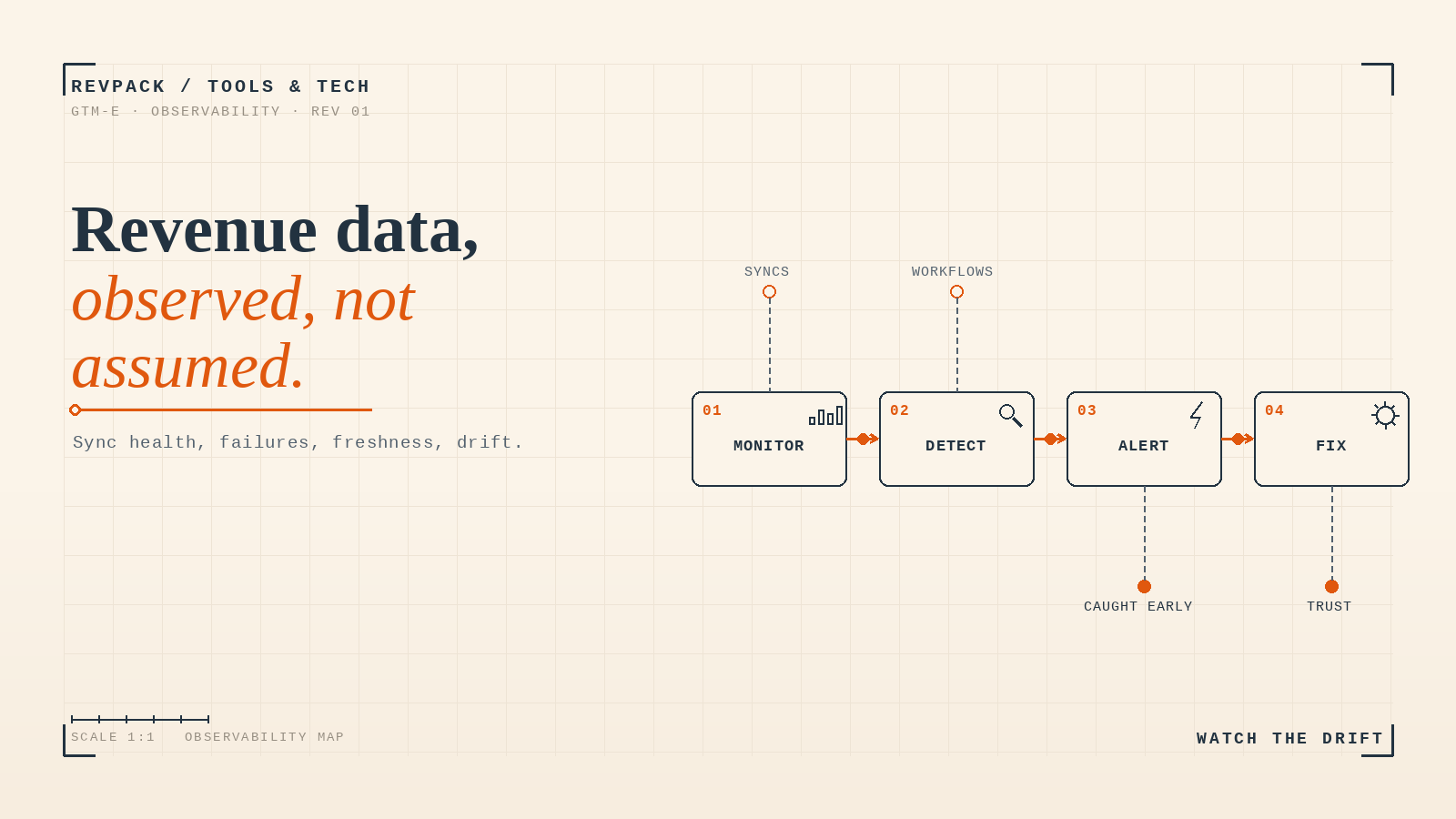
Signal-driven outreach fails when the signals are stale or noisy. Put filters between detection and send: exclude signals older than 30 days, suppress anyone you've contacted in the last six months, drop competitors and do-not-contact lists, and score combined signals so reps work the 8–10s first. Without this layer you're just blasting faster, and you'll burn sender reputation doing it.
What to do this week
Pick the two signals you can already detect — say, pricing-page visits and champion job changes — and write one rule that only fires when both are true within 14 days. Route those to a human with the trigger attached. One good combined signal, worked properly, beats a new list every time.
Frequently asked questions
What's a buyer signal in outbound? An observable event suggesting an account may be in-market — a pricing-page visit, a champion job change, a funding round, a competitor switch. First-party signals (on your own site) are the strongest.
Why combine signals instead of using one? Single signals are available to every competitor, so they don't differentiate. A combination of two or more is rarer, more predictive, and much harder for others to replicate.
How do you keep signal-based outreach from becoming spam? Filter before you send: recency limits, suppression of recently-contacted accounts, do-not-contact and competitor exclusions, and scoring so reps work the strongest signals first.
How RevPack helps
We build signal-driven pipeline systems: the taxonomy, the combined custom signals competitors can't copy, the triggered sequences, and the QA layer that keeps it from turning into spam. If outreach volume is up and replies are flat, the fix is timing, not more sends.