How do you operationalize trust in the B2B buying process?

TL;DR
Operationalize trust by treating proof as a system, not a vibe: capture trust signals as CRM data, run reverse demos on the prospect's own use case, route the right social proof to the right buyer at the right stage, and convert vague SLAs into measurable outcomes. Buyers spend most of the journey deciding whether to believe you — so make proof a routed play, not a slide you hope they read.
Trust is the actual bottleneck
B2B buyers spend only about 17% of the buying journey with all suppliers combined, and most of that time is spent deciding whether the claims are real. The deal doesn't stall on features. It stalls on belief. Yet most teams "build trust" by asserting it — a wall of logos, a generic testimonial — and hope it lands.
Operationalizing trust means making proof a deliberate, routed motion inside your CRM, matched to where the buyer is and what they doubt.
Trust signals as CRM data
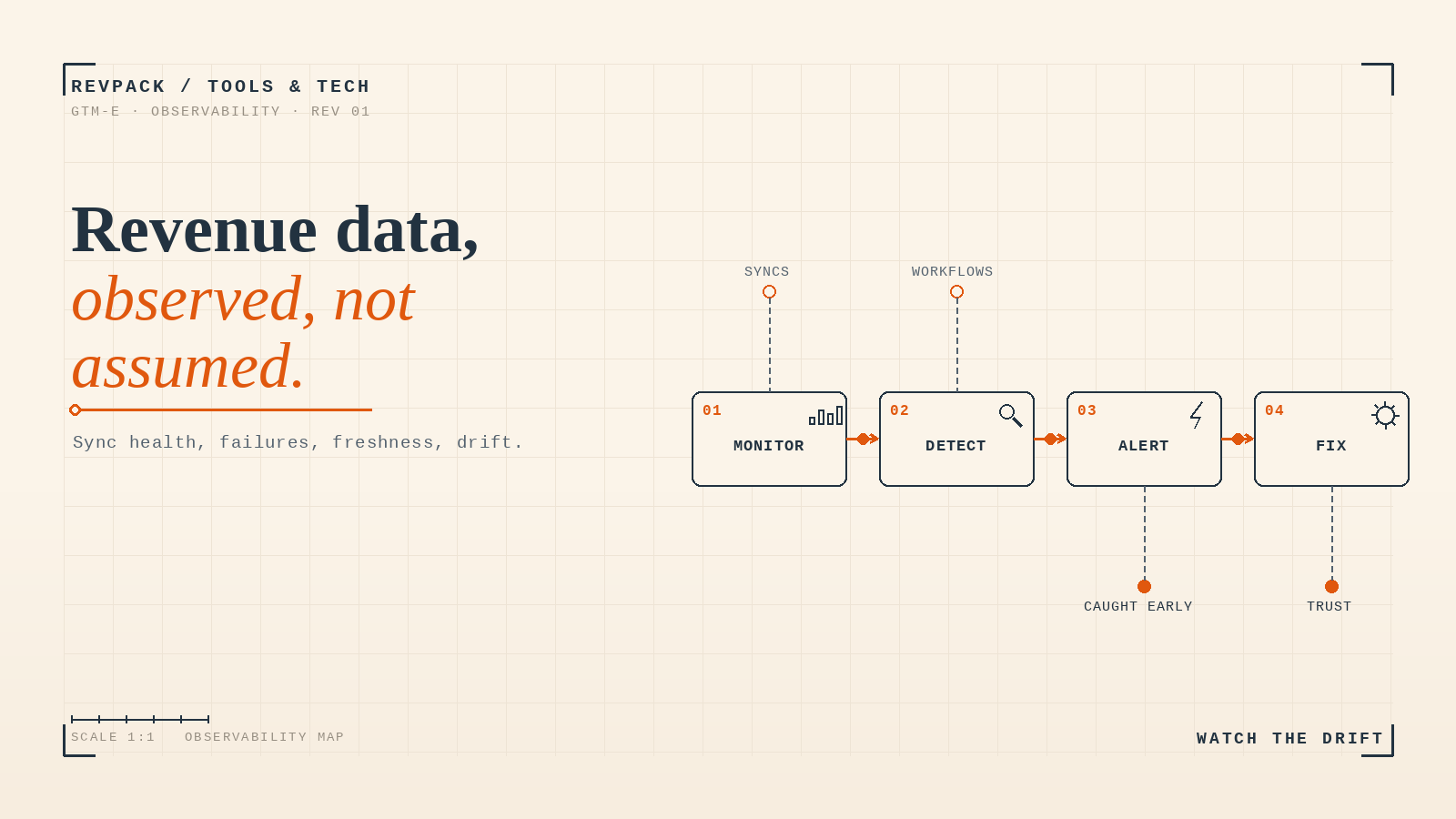
Start by capturing the signals that show a buyer is actually building confidence: reference calls requested, case study opened, security review started, multi-threading into the buying committee. These belong on the deal record, not in a rep's head. When you can see which proof a buyer has engaged with, you can route the next piece instead of guessing.
The reverse demo: show them their world, not yours
The traditional demo walks through your product's features in your order. The reverse demo, a play Clay popularized, flips it: you show the prospect their own use case, their data, their workflow running in the product, before the generic tour. It's proof by demonstration — they see it work for their exact situation, which beats any claim you could make about it.
Route proof like you route leads
Not all proof fits all buyers. Match it to segment and stage.
| Proof type | Best stage | Doubt it answers |
|---|---|---|
| Peer case study | Early evaluation | “Does this work for companies like us?” |
| Reverse demo | Mid-funnel | “Will it work for our use case?” |
| Reference call | Late / committee | “What's it like to actually buy and run?” |
| Outcome SLA | Negotiation | “What happens if it doesn't deliver?” |
Turn SLAs into proof
"Enterprise-grade support" proves nothing. A specific, measurable commitment — a named response time, an onboarding milestone by a date, a usage threshold tied to a check-in — turns a promise into something the buyer can hold you to. Specificity reads as confidence; vagueness reads as hedging.
What to do this week
Pick your most common lost-deal reason in the "trust" category — usually "wasn't sure it'd work for us." Build one reverse-demo play that shows that exact buyer their own use case, and route it the moment a deal hits mid-funnel. One well-placed proof point beats a deck of logos. If you want an example of proof done as specifics, that's how we write our own success stories.
Frequently asked questions
What does it mean to operationalize trust? Making proof a routed, measurable motion in the CRM — capturing trust signals, matching proof to buyer and stage, and committing to specific outcomes — instead of asserting credibility with generic logos and testimonials.
What is a reverse demo? A demo that shows the prospect their own use case and data running in the product before the generic feature tour. It proves relevance by demonstration rather than claim. Clay popularized the play.
How do you match social proof to a buyer? By segment and deal stage: peer case studies early, reverse demos mid-funnel, reference calls for the buying committee, and specific outcome SLAs in negotiation. Each answers a different doubt.
How RevPack helps
We build the systems that make proof routable: trust signals on the deal record, reverse-demo triggers, social-proof routing by segment and stage, and SLAs wired to measurable outcomes. If deals stall on belief rather than fit, that's the motion we operationalize.
- Clay — "The Reverse Demo," 2024. clay.com
- Gartner — "The B2B Buying Journey." gartner.com
Operationalize trust as a system: capture trust signals in the CRM, run reverse demos on the buyer's own use case, route social proof by segment and stage, and turn vague SLAs into measurable outcomes. Deals stall on belief, not features — so make proof a routed play.